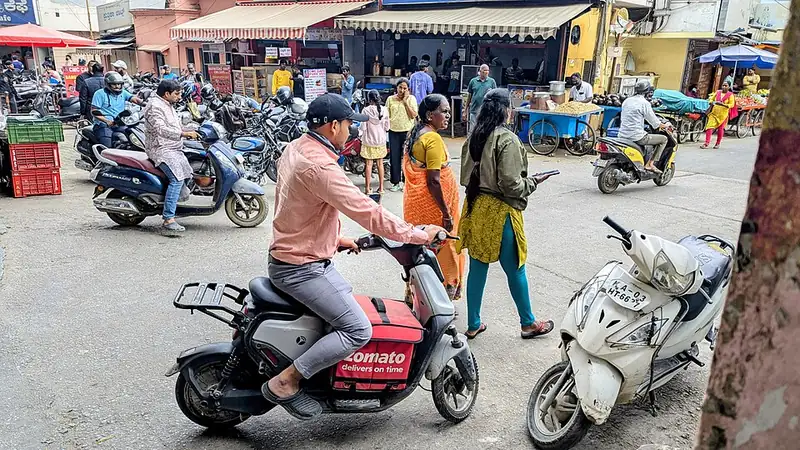
The story. Ratan Tata's affordable-car vision addressed families unable to own a car, including those travelling on two-wheelers. Tata developed and launched the Nano. The 2009 ₹1 lakh promise applied to the Standard BS2 model's ex-factory Pantnagar price, excluding transportation and VAT—not every buyer's on-road bill. Later GenX versions added equipment and an automated-transmission option, yet official May 2018 reporting recorded only 11 units produced and 20 domestic sales that month.
- 2008–2009Affordable-car unveiling and launch
- 2015Better-equipped GenX Nano
- May 2018Very small reported monthly scale
- Intended strategy
- Make four-wheel transport affordable to families previously unable to buy a car.
- Deliberate strategy
- Develop, manufacture and sell a low-cost car, including the qualified launch-price commitment. Those actions occurred even though the wider commercial ambition was not achieved.
- Unrealised strategy
- The envisioned lasting mass-market position was not established. Distinguish this unfulfilled ambition from the product launch, which did happen.
- Emergent strategy
- Not established by market reaction alone. Weak demand, aspirations and reputational concerns are signals to investigate. Later product adaptation may reflect learning, but it does not prove a consistent action pattern arose without prior intention.
- Realised strategy
- Tata sold the original Nano, introduced later variants and reached a very small reported monthly scale by 2018. A realised strategy can be commercially disappointing.
Manager's question: Compare affordability, customer aspirations, distribution and trust before claiming one cause of failure. These histories do not establish that Nano caused Tata's later company-wide design or safety direction.
Evidence: Tata's launch account · Qualified price promise · 2015–16 annual report · May 2018 production/sales disclosure. The monthly figures describe that period, not current sales or a lifetime total.