Learning infrastructure
Computer literacy and centres, libraries, science labs, toy banks and classroom support widened the spaces in which children could learn.
Karma Yoga · Pathway 02
A long-horizon relationship in the Himalayan foothills—built through schools, sport, environmental care, livelihood experiments and the patient work of returning.
Worth asking
If the partnership ended tomorrow, what would still be standing in Mehalchauri without it?
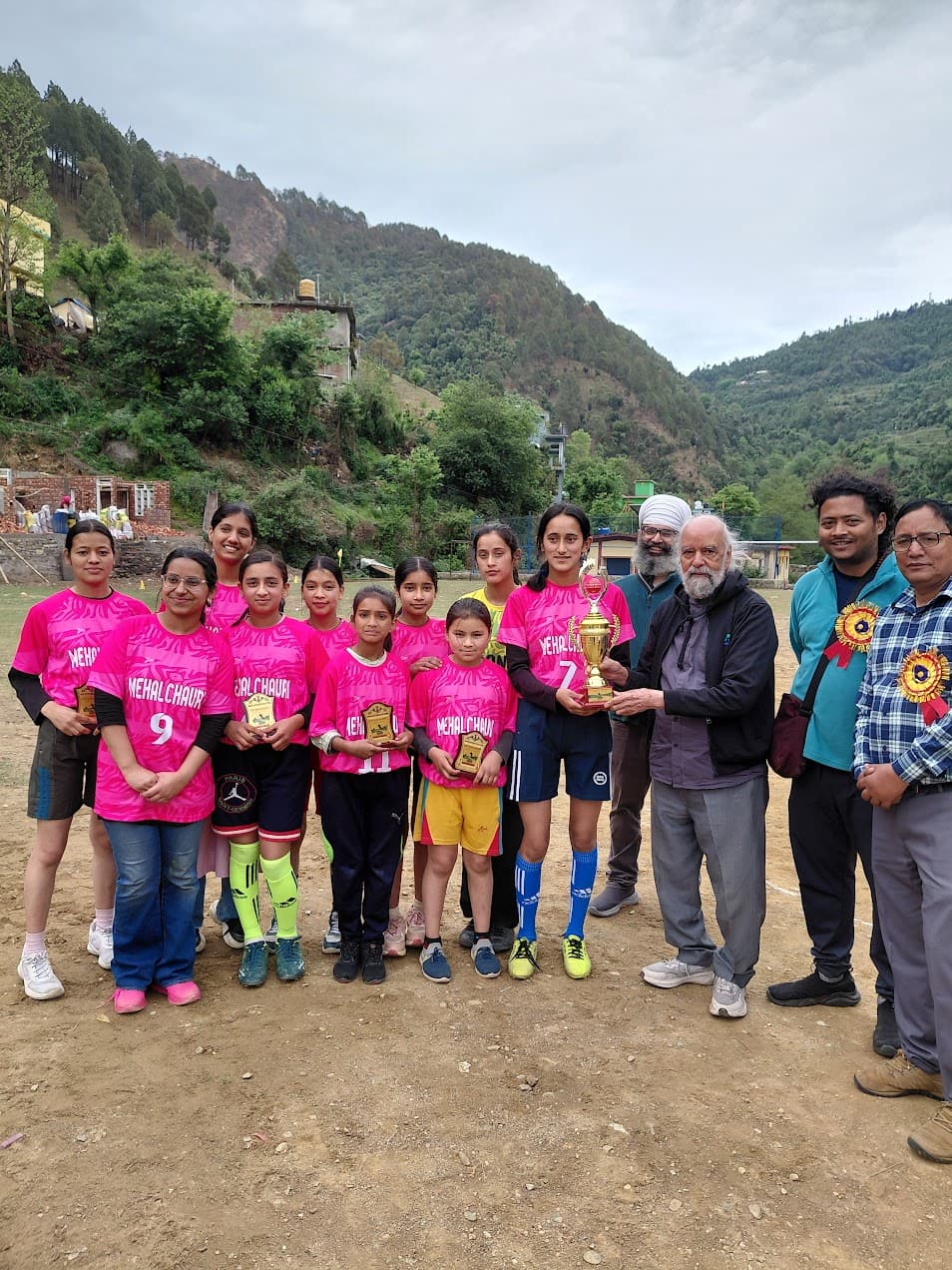
Would one visit have produced Mehalchauri's first girls' football team — or did that take years of returning?
Mehalchauri · Chamoli district, Uttarakhand
Mehalchauri is not a one-visit story. In the Himalayan foothills of Chamoli district, Uttarakhand—roughly a 12-hour road journey from Delhi and about 1,750 metres above sea level—the relationship described in the programme record began around 2009–10 and grew through education, local participation, sport, environmental stewardship and livelihood experiments.
The partnership principle
The Indus Quality Foundation extended its work beyond Delhi through Heera Singh Negi’s connection to his home village. Over time, local schools, Panchayat members, teachers, children and volunteers became partners in a wider programme to connect learning, confidence, community capability and care for place.
Historical programme archive · Before April 2026
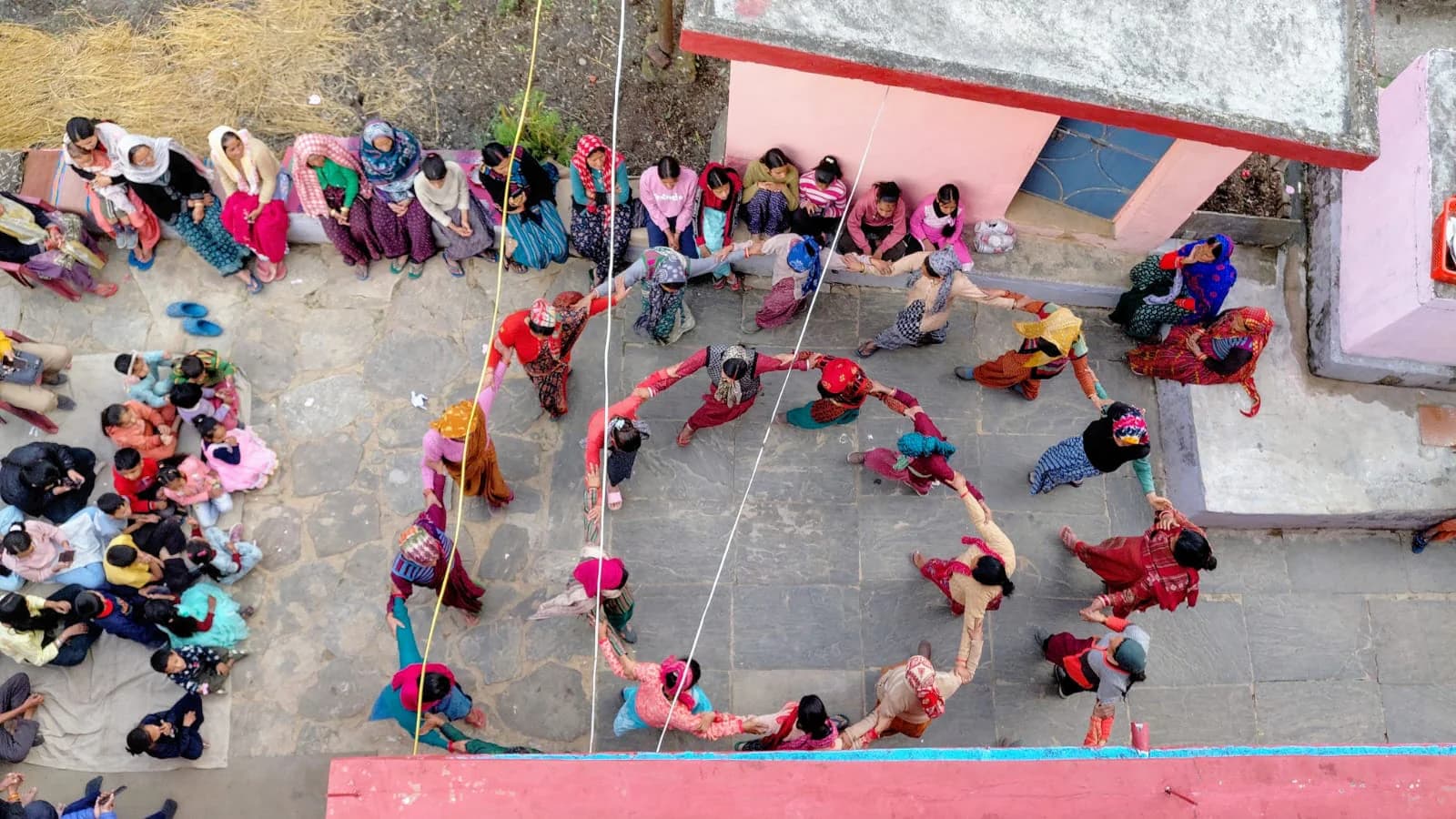
These photographs come from the historical programme deck. They document earlier activity in and around the Mehalchauri relationship; the Panchayat image is from neighbouring Silanga and is identified accordingly.
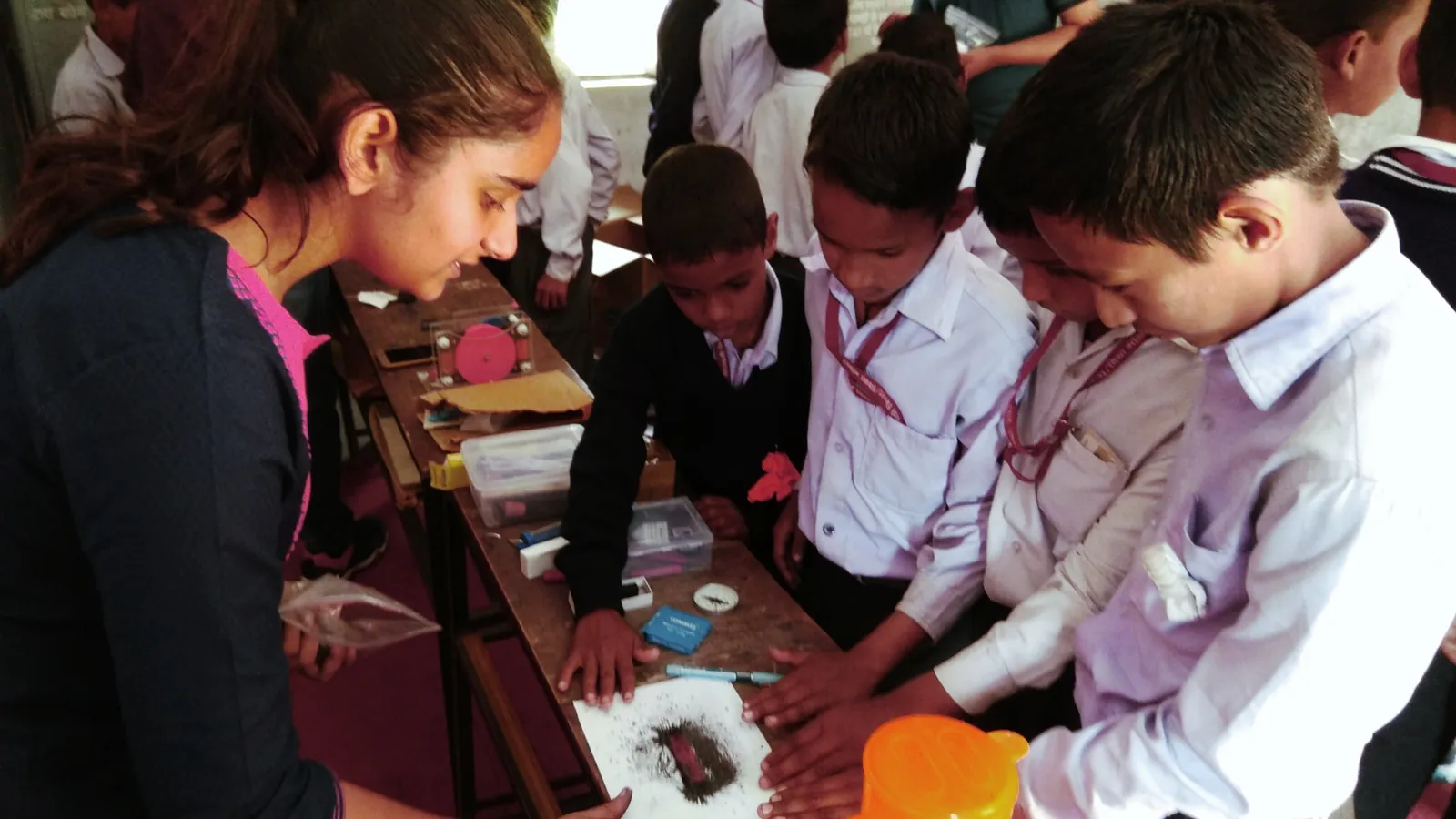
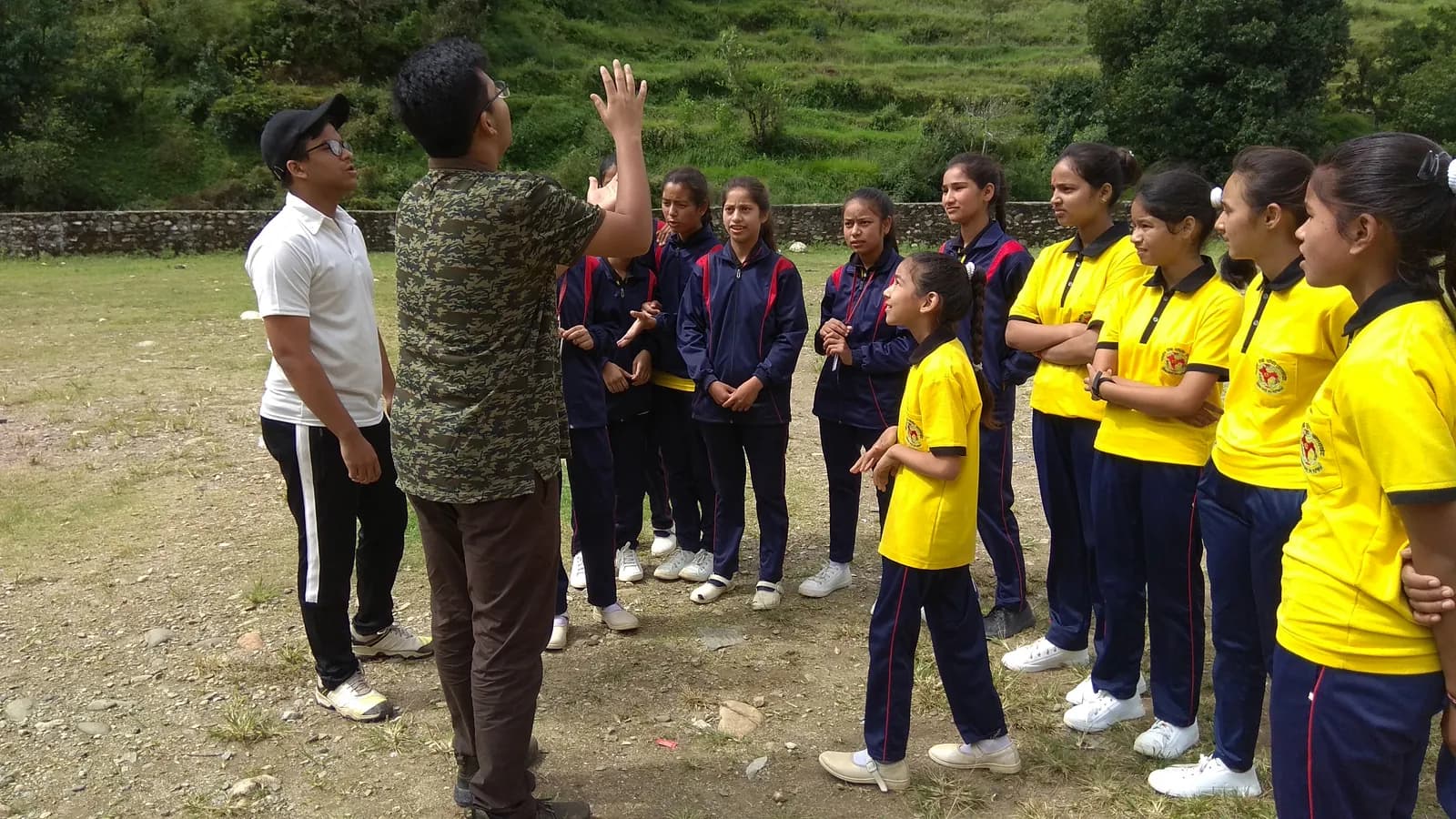
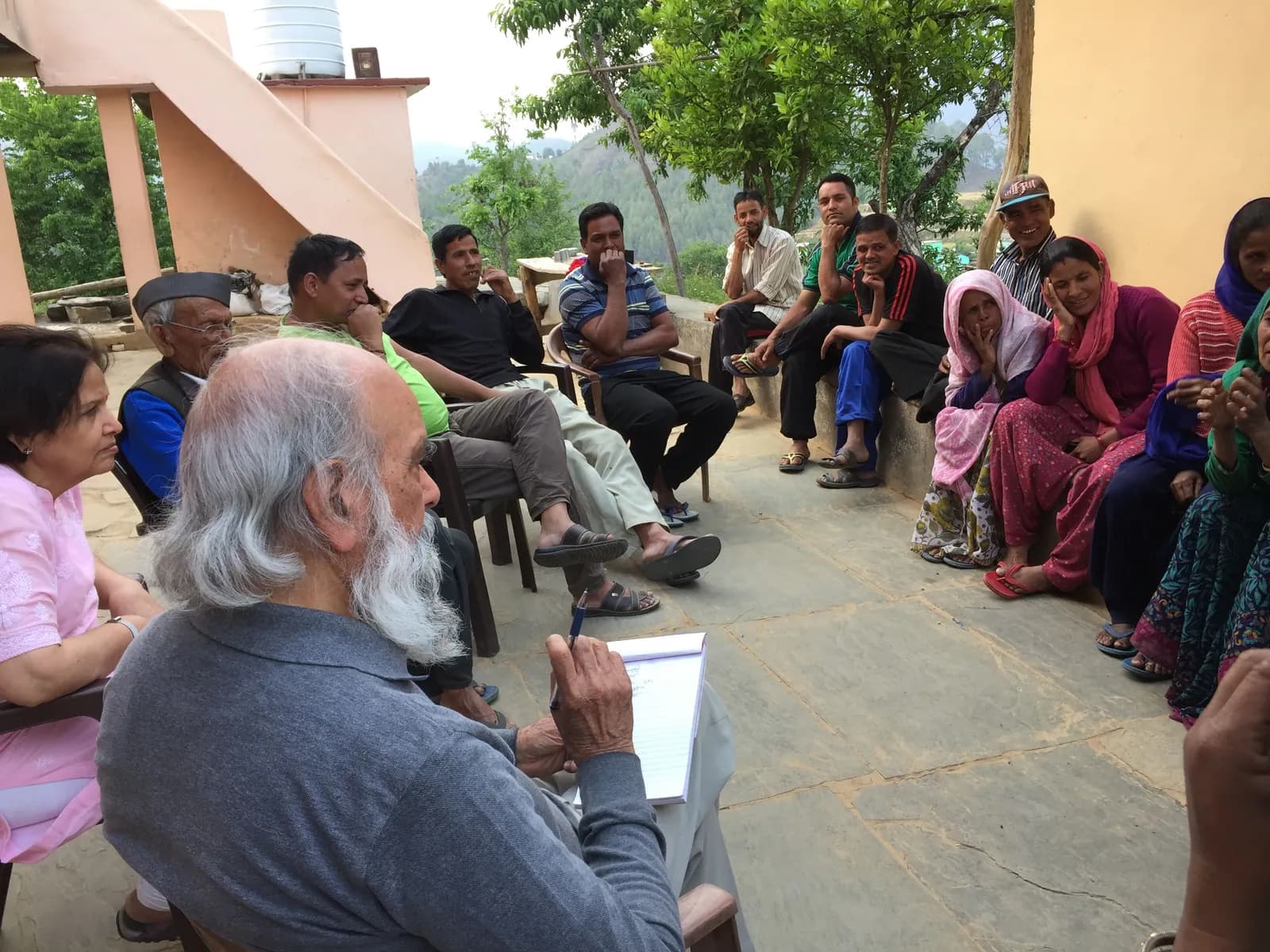
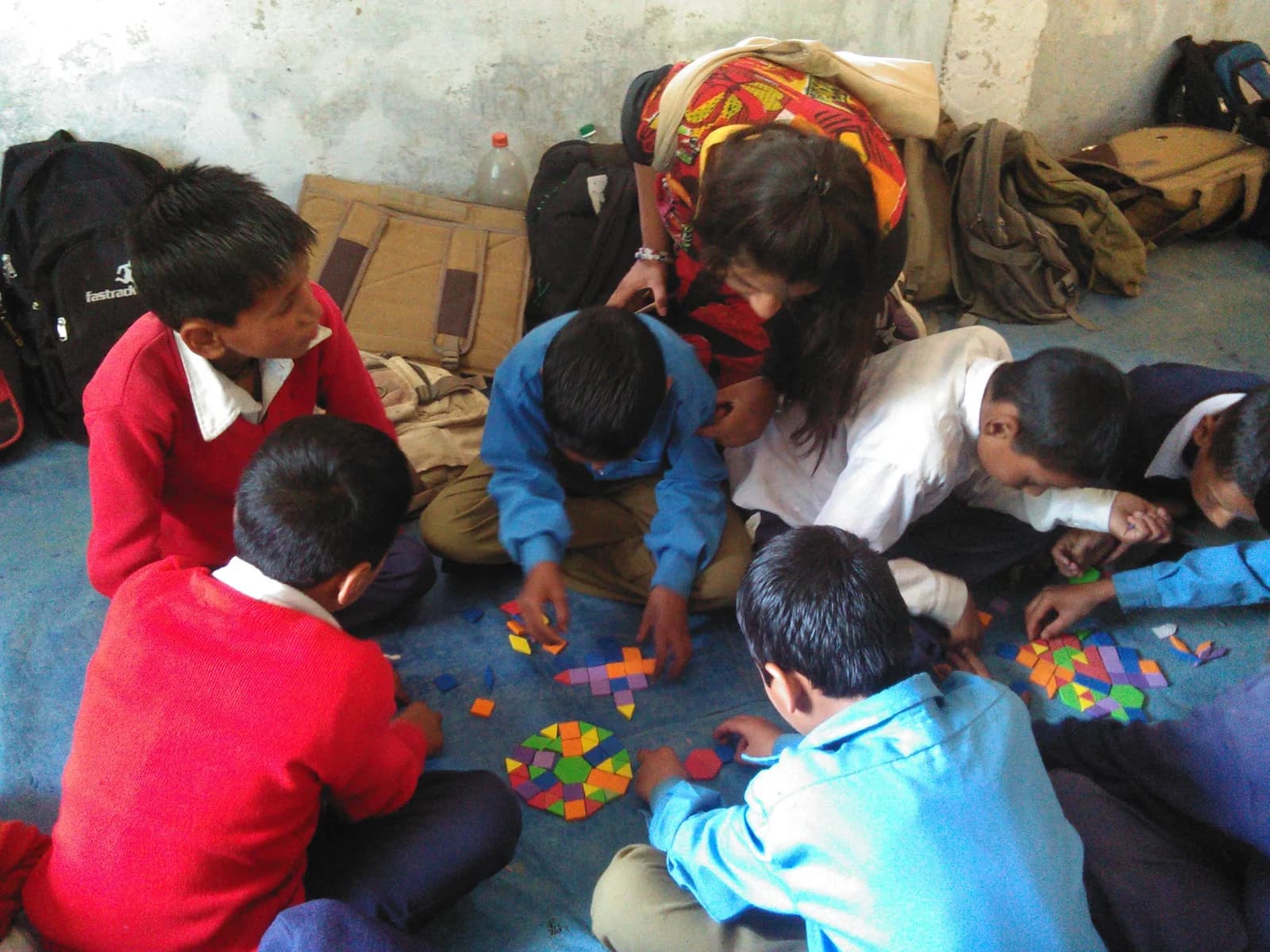
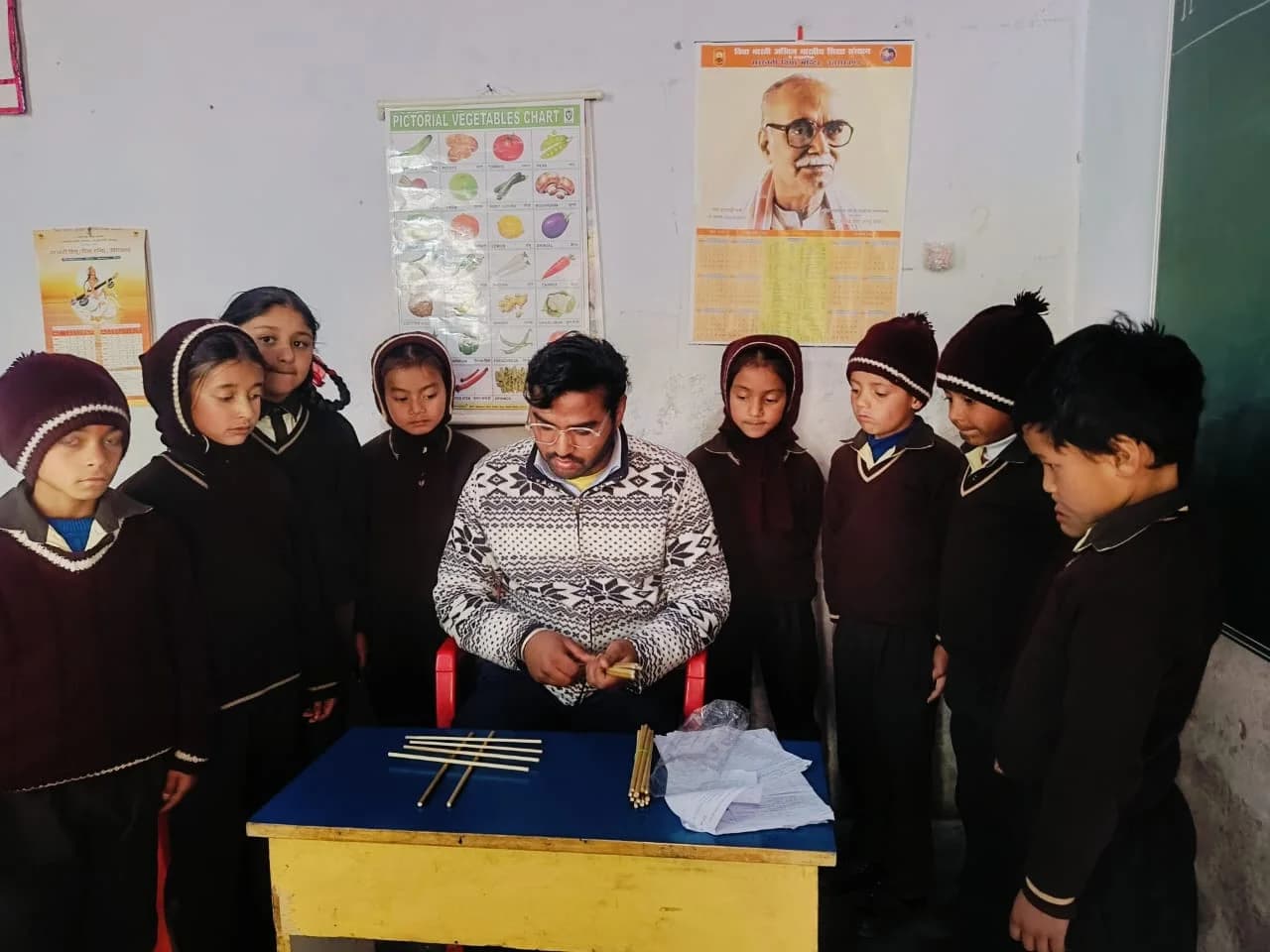
Work in Mehalchauri · Historical programme record
Across the 2010s, the supplied programme record documents work spanning learning, sport, energy, environment, livelihoods and community institutions. These are historical programme activities and reported outcomes—not claims about present-day conditions.
Computer literacy and centres, libraries, science labs, toy banks and classroom support widened the spaces in which children could learn.
Girls’ football and team games made participation visible. The 2019 case reports four local students selected for Uttarakhand’s Under-14 football team.
Solar lamps, LED lighting, cleanliness drives and tree planting joined practical community needs with care for the Himalayan landscape.
Napier grass, mulberry and walnut cultivation were explored; agricultural advice in 2016 connected fodder, farming and longer-term resilience.
Panchayat consultation, tool-sharing centres, teacher workshops and career guidance placed local institutions at the centre of the work.
Creative programmes, cultural events, student exchanges, yoga centres and Centres of Joy created recurring spaces for expression and connection.
Connected experiments · Historical case record
The historical case describes practical exchanges that linked education, energy, agriculture and collective environmental action.
Two LED lamps per household were tied to planting ten mulberry trees, linking energy access with cattle fodder.
A village could earn a computer by planting 100 oak trees, making school technology depend on collective action.
The case exhibit records 117 walnut trees planted; later agricultural advice broadened the cultivation experiments.
The relationship over time
As the Indus Quality Foundation considered work beyond Delhi, Heera Singh Negi proposed a relationship with his home village.
The supplied sources differ by a year, so the beginning is dated carefully. Schools, children, local leaders and volunteers became recurring partners.
Agricultural scientist Dr. Anil Kishore Joshi advised on Napier grass, mulberry and walnut cultivation as the work broadened beyond education.
The historical case reports four Mehalchauri students selected for Uttarakhand’s state Under-14 football team—a marker of confidence built over time.
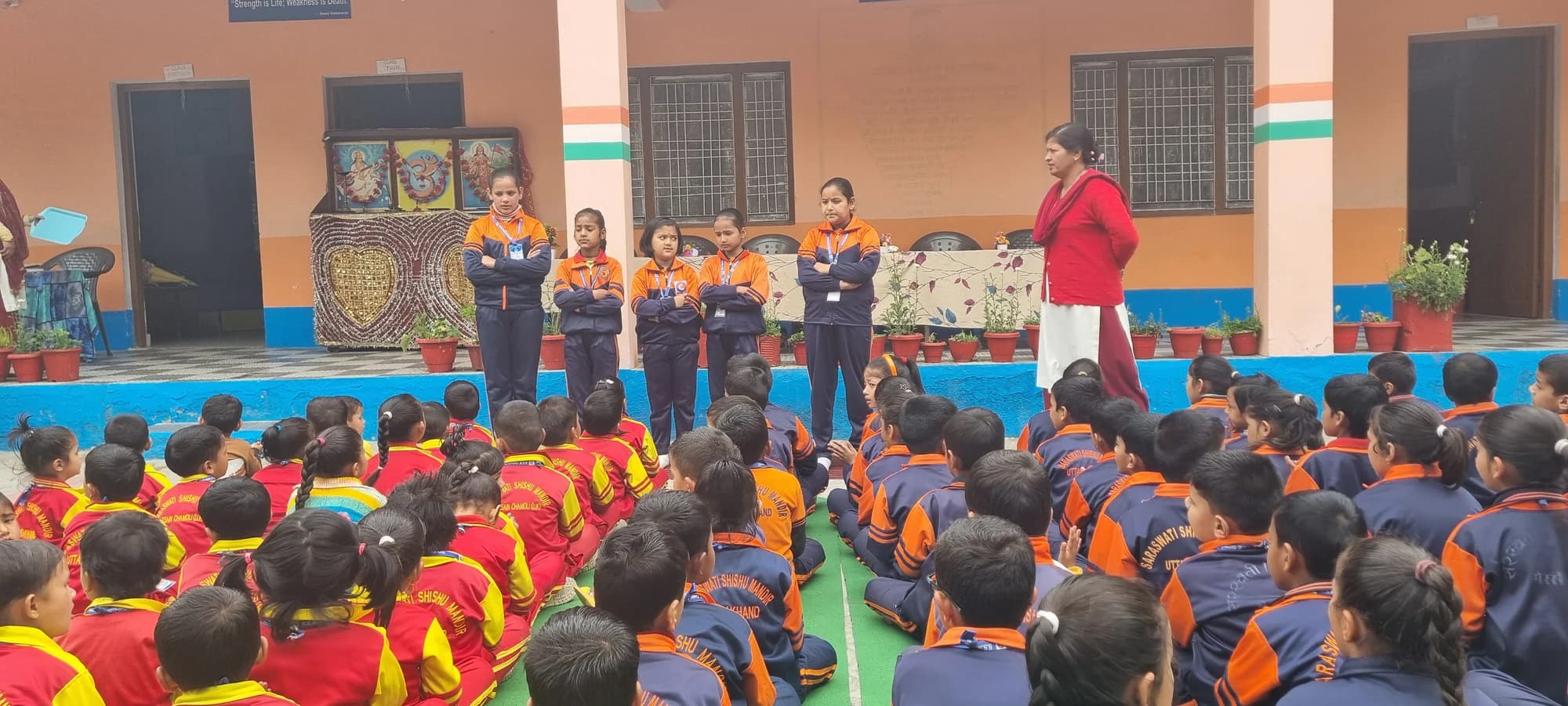
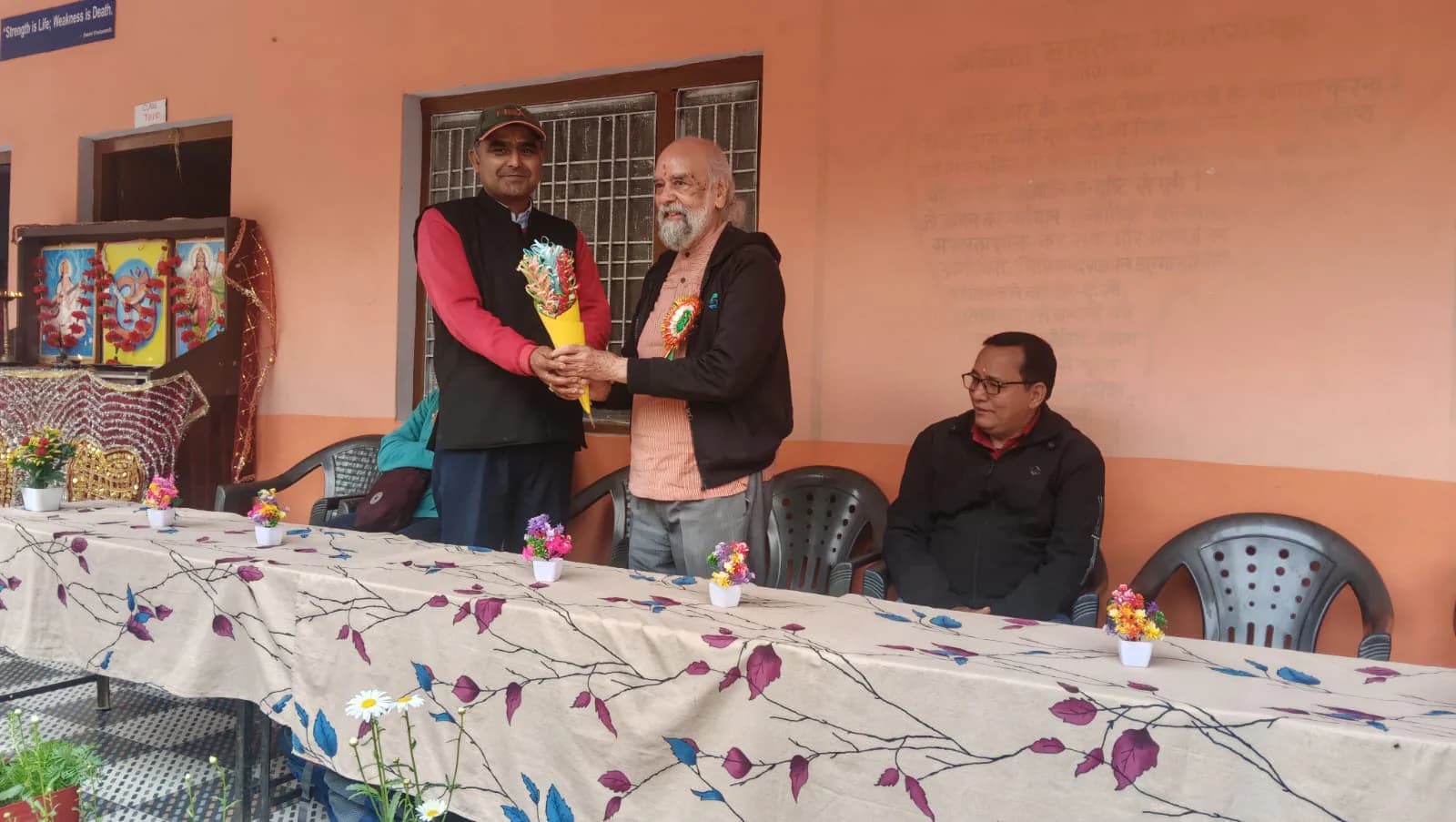
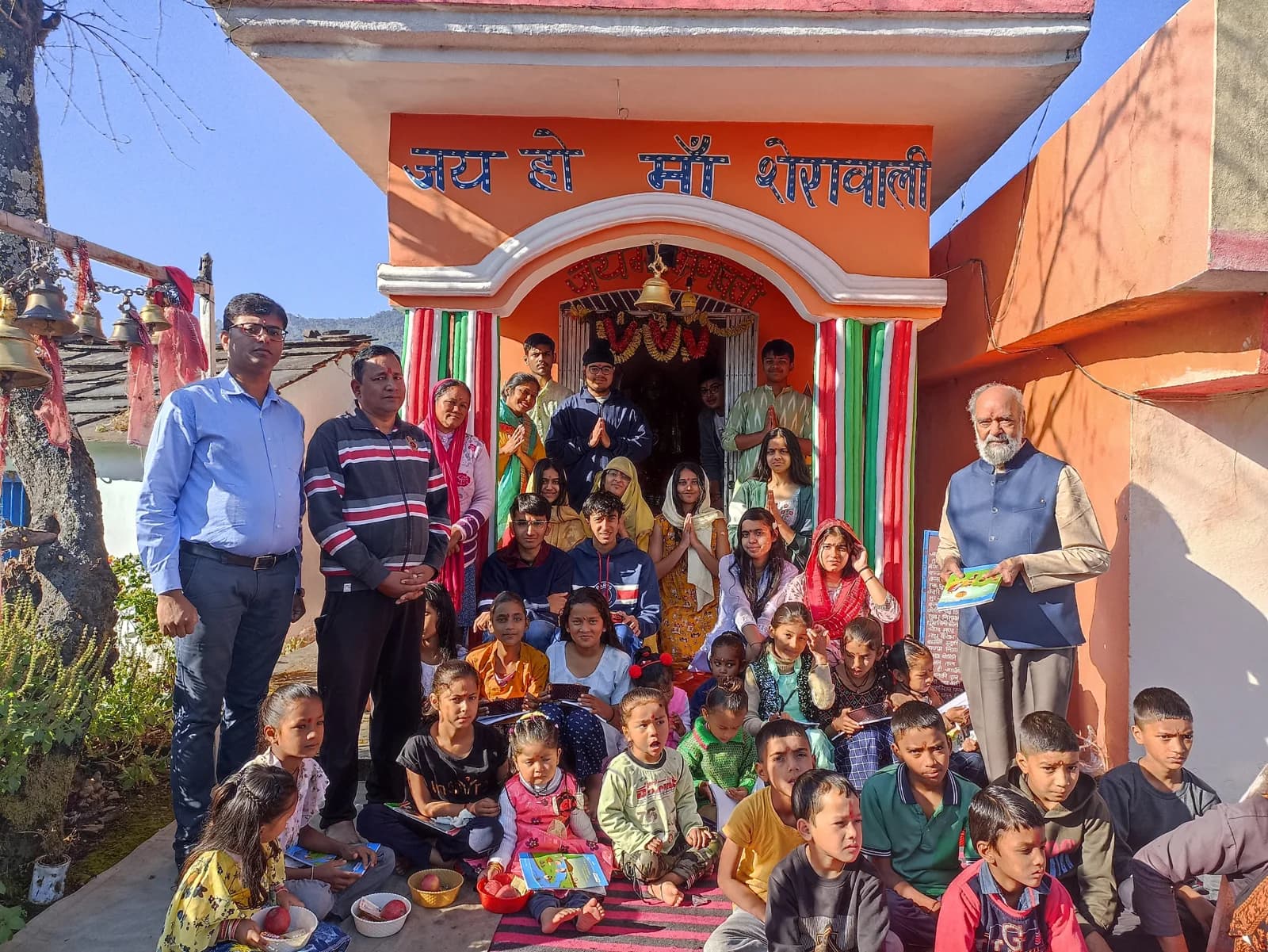
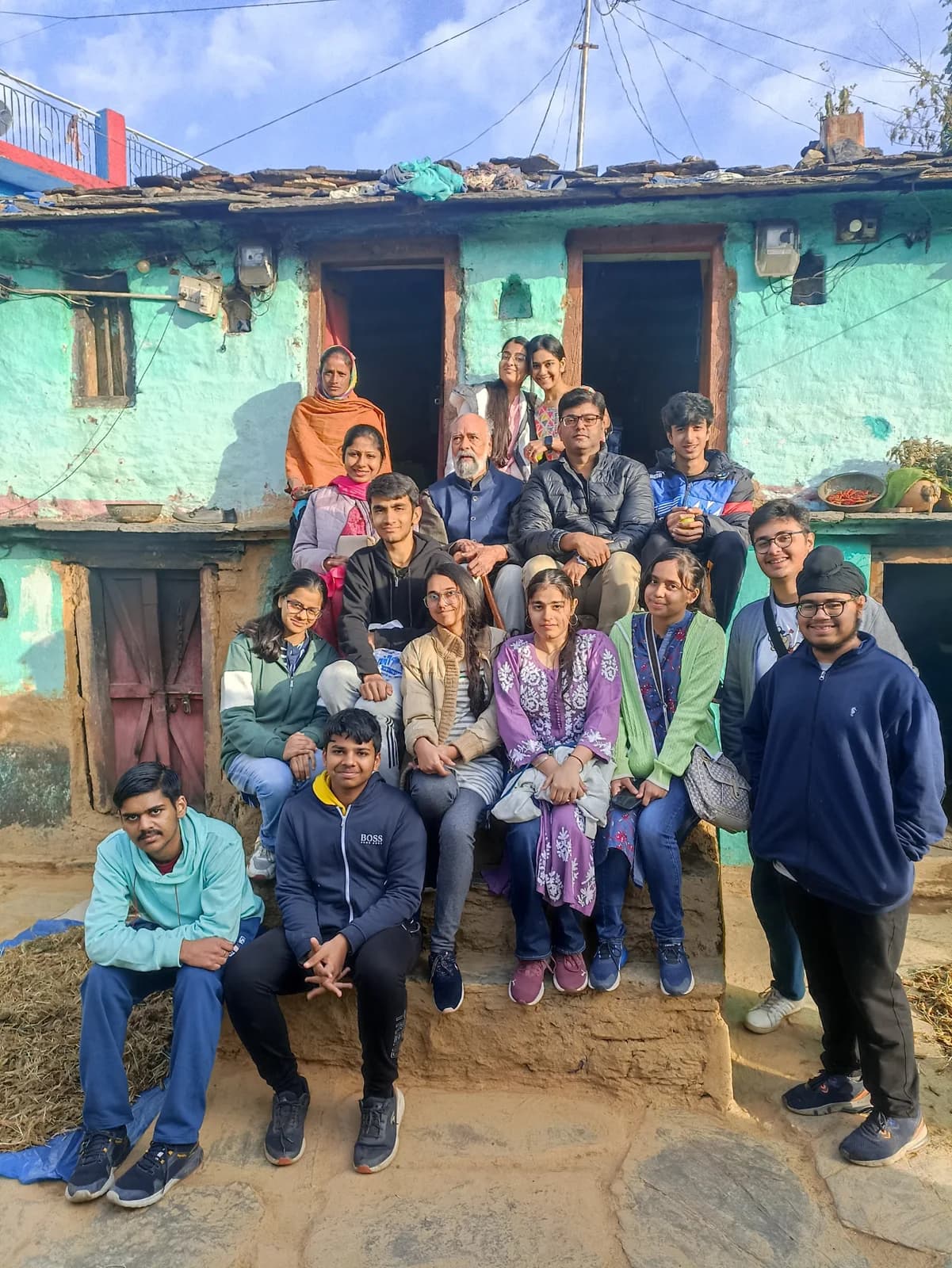
The post-visit deck records a school assembly, Clouds & Rain workshops, a riverbank clean-up, games, cultural exchange and reflection, reporting participation by 100+ children across 3+ schools and villages.
The April 2026 return · In pictures
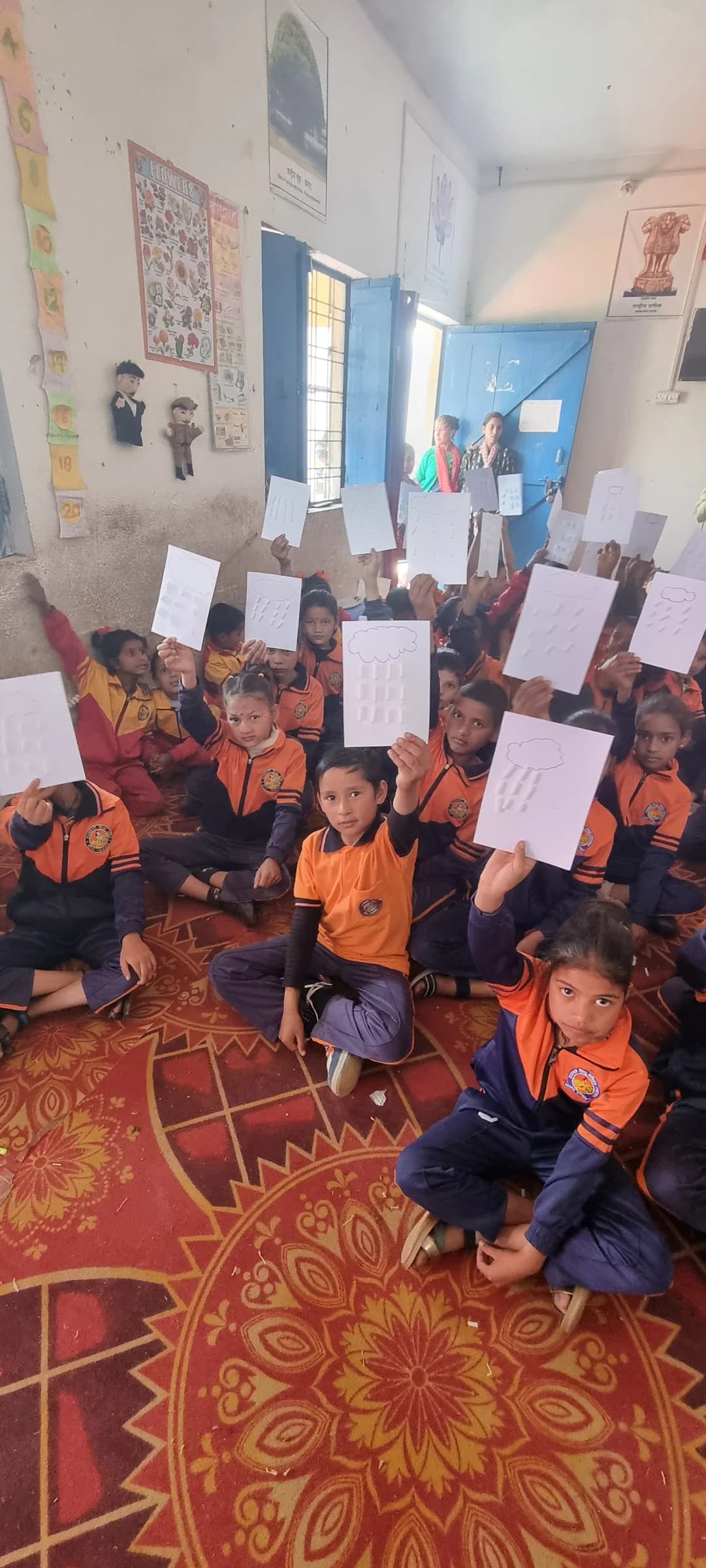
Documented April 2026 activity
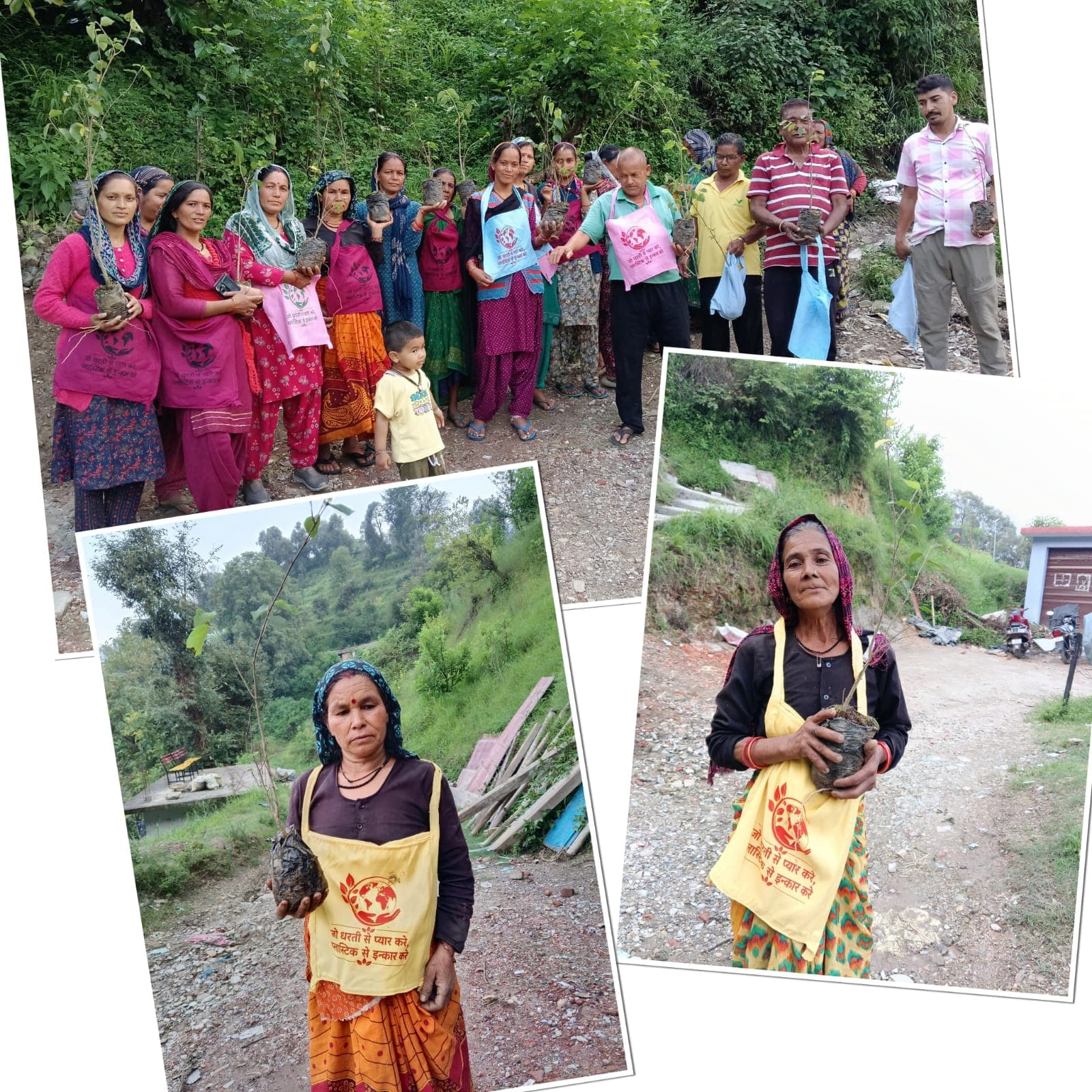
Used hostel bedsheets were repurposed into durable carry bags and distributed to residents of Salinga and Mehalchauri alongside saplings during the return visit, cutting textile waste while offering a practical, reusable alternative to single-use plastic.
“They taught us hope in the simplest way, and left their smiles with us to stay.”
The other pathway